DBT Therapy in Scottsdale
At Redefine Wellness & Treatment in Scottsdale, dialectical behavior therapy is built into the IOP and PHP programs so you learn the skills and practice them the same day, in a clinical environment designed to reinforce what actually works. Find out how DBT can help you stop managing emotions by avoiding them and start building a nervous system that can handle them.
- Joint Commission Accredited
- Daily Neurofeedback
- Root-Cause Treatment
- Body + Brain + Mind Approach
DBT Therapy in Scottsdale, Arizona
Dialectical behavior therapy is a skills-based treatment that teaches four core modules (mindfulness, distress tolerance, emotion regulation, and interpersonal effectiveness) to help people manage intense emotions and change destructive behavioral patterns. At Redefine Wellness & Treatment in Scottsdale, DBT is not a standalone weekly group. It is built into structured PHP and IOP programs where clients learn a skill in group, practice it in a process session that same afternoon, and get direct clinical feedback before they go home. Results, in the clinical team's experience, are both faster and more durable than what weekly outpatient DBT typically produces. That is not a criticism of outpatient DBT. It is a math problem: more practice hours, more modalities, more clinical support equals faster skill integration.
-
Skills Practiced in Real Time. You learn a skill in group, practice it in a process session the same afternoon, and get direct clinical feedback on what worked before you go home. That cycle happens daily, not weekly.
-
Paired With Neurofeedback. Neurofeedback strengthens the brain's ability to use the skills DBT teaches. Emotion regulation is easier when the neural patterns supporting it are being reinforced at the same time. Both are coordinated so they build on each other.
-
Part of a Coordinated Plan. Your DBT clinician works alongside psychiatry, somatic specialists, and your full treatment team. The skills you are building connect to every other modality in your plan, not just the group room where you learned them.
DBT is one modality within individualized treatment plans built around your specific needs.
At a Glance

- Trauma-Informed Programs
DBT at Every Level of Care
DBT Within PHP
PHP is the most immersive environment for building new behavioral patterns. Clients attend DBT skills groups three to five times per week as part of a full-day program, with the same clinician facilitating group for continuity. Because you are on-site five days a week, the skills you learn in a morning group get practiced in a process session that afternoon, reinforced through neurofeedback, and supported by somatic work that helps your nervous system hold what it is learning. Your clinician can prepare you before a difficult skills session, monitor how you are processing after it, and adjust pacing based on what they see in real time. That level of clinical responsiveness is not available in a weekly format.

DBT Within IOP
IOP delivers DBT skills training two to three times per week within a structured three to four hour daily program, three days per week. This level of care is designed for clients stepping down from PHP or those who need more support than weekly therapy can provide but want to maintain work, school, or family responsibilities. DBT groups in IOP are still paired with neurofeedback and process groups so skills are not taught in a vacuum. Clinicians coordinate across modalities, which means your DBT therapist knows what is happening in your individual sessions, your neurofeedback protocols, and your psychiatric care. Skills you build in group connect to everything else.

DBT in Private Retreats
For clients traveling to Scottsdale or those who need accelerated skill acquisition, Redefine offers private retreats that condense DBT-informed skills training into an immersive, short-duration format. Multiple sessions happen within a compressed window, with neurofeedback and somatic support built into the schedule. Everything is individualized: your retreat is designed around your specific clinical presentation, not a group curriculum. This format works well for high-functioning professionals who cannot commit to weeks of programming but need more than what weekly therapy is producing.

- Trauma-Informed Programs
How DBT Works at Redefine
Mindfulness: Staying Present Instead of Spiraling
Mindfulness in DBT is not meditation. It is learning to observe a thought, a sensation, or an urge without reacting automatically. You build the pause between feeling something and doing something about it.
Distress Tolerance: Surviving the Worst Moments Without Making Them Worse
When you are in crisis, distress tolerance gives you something to do that does not blow up your life. These are survival tools: paced breathing, radical acceptance, getting through the moment without creating new damage. The goal is not to feel better right now. The goal is to stop making it worse.
Emotion Regulation: Changing the Pattern, Not Just the Moment
Distress tolerance handles the spikes. Emotion regulation targets the baseline. This module reduces vulnerability to emotional flooding in the first place: understanding your triggers, building habits that make intense emotions less frequent, and identifying what you feel before it takes over your behavior.
Interpersonal Effectiveness: Getting What You Need Without Losing the Relationship
Most people with emotional dysregulation have learned one of two patterns in conflict: shut down or explode. Both cost something. This module teaches the middle path: how to ask for what you need, say no without guilt spiraling, and navigate disagreements without sacrificing the relationship or your self-respect.
DBT was designed for people who feel things intensely. That is not a weakness to fix. It is a nervous system pattern that needs better tools. The skills in DBT give your brain and body a new way to respond when emotions feel unmanageable.
- Problems DBT Solves
DBT & The Brain & Nervous System
Conditions DBT Can Help
- Emotional dysregulation and intense mood shifts that drive impulsive behavior
- Borderline personality disorder, the condition DBT was originally designed to treat
- Anxiety disorders including panic, avoidance, and emotional overwhelm
- Depression tied to negative core beliefs or withdrawal from daily life
- Trauma responses and complex PTSD where emotional flooding blocks processing
- PTSD and trauma-related reactivity including hypervigilance and avoidance
- Grief and complicated loss tangled with guilt, anger, or self-blame
- Substance use and co-occurring disorders driven by emotional dysregulation
Signs You Might Benefit From DBT Skills
- Emotional reactions that feel disproportionate to the situation, even when you know it logically
- Relationship conflict that cycles between people-pleasing, exploding, and withdrawing
- Hours or days to recover from a strong emotion that other people seem to shake in minutes
- Impulsive behavior under emotional stress: spending, substance use, quitting, saying things you regret
- Recurring crises despite years of therapy: insight is there, behavioral change is not
- Being told you are "too sensitive" or "too much" often enough that you stopped trusting your own reactions
- Talk therapy helped you understand your patterns but has not changed how you react when activated
- Avoidance as your primary coping strategy, with your world getting smaller to prevent triggers
- Treatment Plans
How DBT Is Integrated in the Outpatient Schedule
This is a sample PHP week, not a fixed schedule. Your clinical team builds your plan around your specific presentation. Some clients focus heavily on DBT skills; others split time between DBT and EMDR depending on what their clinical picture requires. The modalities shift as your nervous system responds and your treatment goals evolve.
- Treatment Plans
Our DBT Therapists
Brenna Gonzales
Licensed Professional Counselor · Somatic Experiencing Practitioner · Certified Multiple Addictions Therapist
Brenna integrates DBT with somatic experiencing to address emotional dysregulation at both the cognitive and physiological level, helping clients build skills that stick because the nervous system is online when they learn them.
View Full Profile
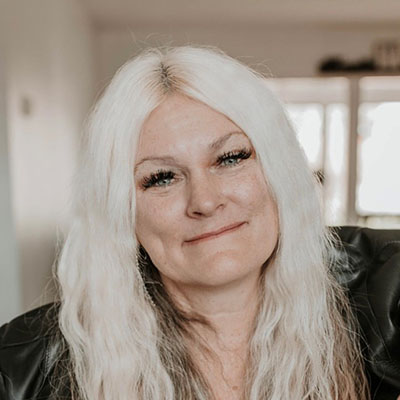
Kim Miller
Licensed Clinical Social Worker · Licensed Independent Substance Abuse Counselor · Somatic Experiencing Practitioner
Kim brings DBT into her work with clients navigating addiction and co-occurring disorders, using distress tolerance and emotion regulation skills to break the cycle where emotional flooding drives substance use.
View Full Profile

Gigi Veasey
Licensed Clinical Social Worker · Licensed Independent Substance Abuse Counselor · Certified Cognitive Behavioral Therapist
Gigi's background in cognitive behavioral therapy gives her a strong foundation in the behavioral principles behind DBT. She focuses on helping clients build emotion regulation skills that translate directly into how they handle daily stressors.
View Full Profile1 of 3
Real Connection, Support, & Healing
Our Scottsdale outpatient programs combine innovative neuroscience with proven therapeutic approaches.
More Therapies, Better Outcomes
DBT is one piece. At Redefine, it sits inside a clinical system that draws from over 20 evidence-based and integrative modalities. The clinical team does not assign every client the same combination. They match modalities to your specific presentation: what your nervous system needs, what your symptoms are telling us, and what stage of treatment you are in. Some clients need DBT alongside EMDR for trauma processing. Others pair it with neurofeedback and somatic work to stabilize the nervous system before deeper processing begins.
Every modality listed here can work alongside DBT within your individualized treatment plan.
Browse More Modalities
Brain-Based
Psychotherapy
Body & Nervous System
Trauma Processing
Holistic & Wellness
Clinical Support

- Testimonials
Healing in Their Own Words
“They made me feel at ease and understood.”
Chris Stonewall
“ Love the red light therapy!!”
Christine Driscoll
“Best Red Light Therapy in my LIFE!”

Dan Selmasska
“Laura is an excellent practitioner”

Dr. Jasmine
“What a blessing to have found and participated in treatment at Redefine Wellness.”
jen cutler
“I have never experienced such a professional and caring staff.”
Hunter Bratt
“The staff is so friendly and the facility is clean. ”

Gwen Johnston
“I love this facility. I have been doing Red-light therapy here for several months. ”

Robert Blume
“I was lost, unable to stand up for myself and stuck in anxiety.”

Presley Petersen
“The wellness center is stunning and the whole team has been very kind and helpful.”

Mackenzie Korus
“I’m so happy to say I would 100% recommend this place over and over”

briana medley
“The staff here are wonderful and compassionate. I definitely recommend this clinic!”
Beaunerism
“Receiving treatments here was 100% a game changer, I strongly recommend!”
Jae Sheck
“Highly recommend if you’re looking for something focused and personal.”
Scott Forbes
“Highly recommend!”
Jenna Wolf
“The entire staff at Redefine is amazing. ”

Brittany Whitley
“The staff is incredible—super friendly”

Jon Driscoll
“A beautiful location with wonderful staff”
Matt Sheehan
“They made me feel at ease and understood.”
Chris Stonewall
“ Love the red light therapy!!”
Christine Driscoll
“Best Red Light Therapy in my LIFE!”

Dan Selmasska
“Laura is an excellent practitioner”

Dr. Jasmine
“What a blessing to have found and participated in treatment at Redefine Wellness.”
jen cutler
“I have never experienced such a professional and caring staff.”
Hunter Bratt
- Research
The Research on DBT 's Effectiveness in Treatment
What the Latest Research Shows
— Updated 2025A meta-analysis of over 400 participants found DBT skills training produced moderate to large reductions in symptoms across common mental health conditions, not just borderline personality disorder, including anxiety, depression, and emotional dysregulation.
In a two-year randomized trial, DBT cut suicide attempts in half compared to treatment by community experts and significantly reduced psychiatric hospitalizations and emergency department visits.
Clients with a range of diagnoses, not just BPD, showed significant reductions in depression and anxiety after completing DBT skills training in an intensive outpatient program. Participants also reported increased feelings of hope.
Over five years of tracking outcomes, a DBT-based partial hospitalization program consistently reduced depression, anxiety, hopelessness, and overall suffering from intake to discharge, with results holding across hundreds of clients.
A systematic review of follow-up studies found that improvements from DBT, including reduced self-harm, better emotional control, and improved daily functioning, were maintained for at least one to two years after treatment ended.
- Giving You The Answers You Need
Frequently Asked Questions
What Is the Difference Between DBT and CBT?
Do I Need a BPD Diagnosis for DBT?
How Long Does DBT Take to Work?
What Does a DBT Skills Group Look Like?
Yes. Anxiety rarely exists in isolation. It often shows up alongside depression, trauma, ADHD, or substance use. Our treatment addresses the full picture rather than just the anxiety label. Sometimes what looks like “anxiety” is actually a trauma response, or the anxiety is masking depression. We figure out what’s actually driving your symptoms.
Can DBT Help With Trauma?
Does Insurance Cover DBT?
Our Mission
At Redefine Wellness and Treatment, we empower healing by uniting mind, body, and spirit. Using trauma-informed therapies, neuroscience, and holistic practices, we deliver personalized care that fosters resilience, growth, and lasting transformation.
Our Vision
We aspire to create a world where access to transformative healing is available to all, empowering people to lead fulfilling, balanced lives.
Recognized by
- Blog
Helpful Resources for You
8245 N 85th Way
Scottsdale, AZ 85258