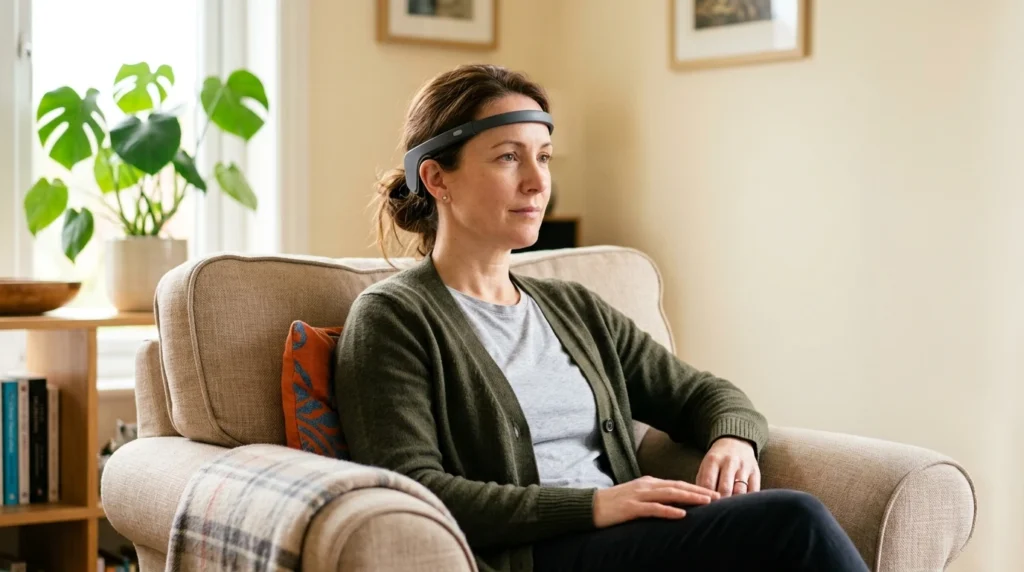
Why Brain Regulation Matters
Most of what people call anxiety, poor sleep, or a short fuse comes down to regulation. The nervous system moves between alert and calm all day, and when it gets stuck toward one end, everything downstream gets harder. Focus slips. Sleep breaks up. Small frustrations land bigger than they should.
Neurofeedback is aimed at that regulation problem directly. Rather than talking about the pattern, it gives the brain repeated practice at producing a steadier one.
How Common Mental Health Conditions Are
This is not a niche concern. The National Institute of Mental Health reports that 59.3 million U.S. adults, or 23.1 percent, had any mental illness in 2022. Of those adults, 50.6 percent received mental health treatment in the past year, which means roughly half did not.
People often start reading about options like neurofeedback because the standard first steps have not been enough on their own.
Who Looks Into Neurofeedback
Adults who look into neurofeedback usually fall into a few groups. Some have done talk therapy and found it useful but slow. Some are managing attention problems that show up at work. Some have been through trauma and find that they understand what happened intellectually while their body still reacts as though it is happening.
Redefine Wellness & Treatment works with adults only, and everything in this article is written for adults.
How Neurofeedback Therapy Works
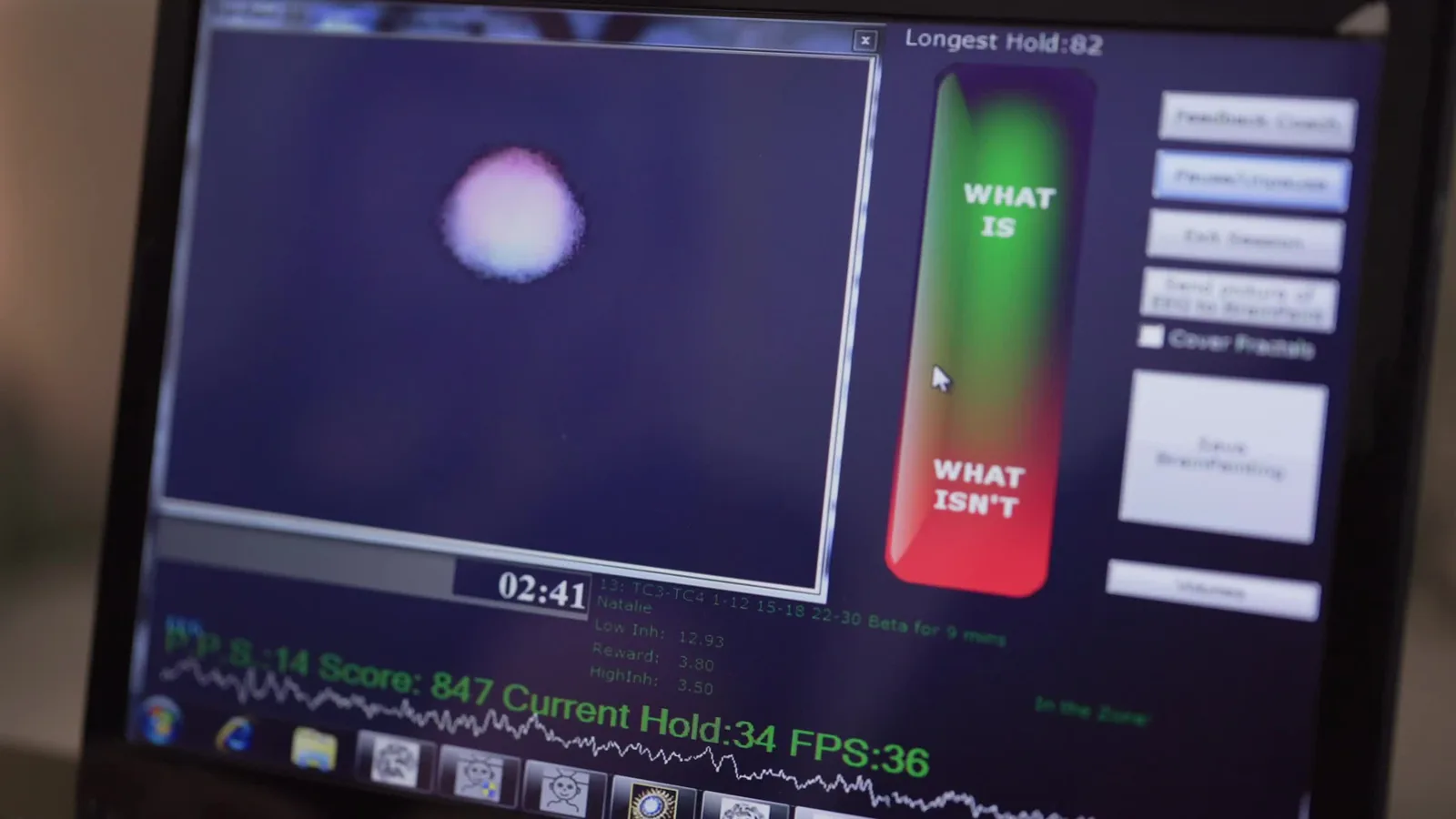
Neurofeedback works as a loop. Sensors read your brain's electrical activity, software watches for the pattern being trained, and a screen or sound responds the moment that pattern appears. Over many repetitions the brain learns to produce it more readily. Nothing is inserted, and no current is delivered.
You can read more about how neurofeedback at Redefine Wellness is delivered as part of a treatment plan.
The Equipment and the Signal
The hardware is straightforward. Sensors sit on the scalp, an amplifier boosts a very small electrical signal, and software turns it into something visible. The International Society for Neurofeedback and Research describes this same combination of sensors, amplifier, and software as the standard setup.
The point worth repeating is that the equipment reads. It does not write. Electroencephalography, or EEG, is a measurement technology, which is why neurofeedback is also called EEG biofeedback.
What a Brainwave Actually Is
Brainwaves are just rhythms in electrical activity, sorted by speed. Delta is slowest and dominates deep sleep. Theta shows up in drowsiness and daydreaming. Alpha appears in relaxed wakefulness. Beta goes with active thinking, and gamma is fastest. Protocols target the balance between these bands.
The Feedback Loop
The mechanism is operant conditioning. A behavior that gets rewarded gets repeated, and here the behavior is a brainwave pattern rather than something you do on purpose. You cannot consciously produce more alpha by deciding to. What you can do is sit in the loop while your brain works it out.
That is why the sessions feel passive and the effect is gradual. Nothing dramatic happens in any single session.
What a Session Feels Like
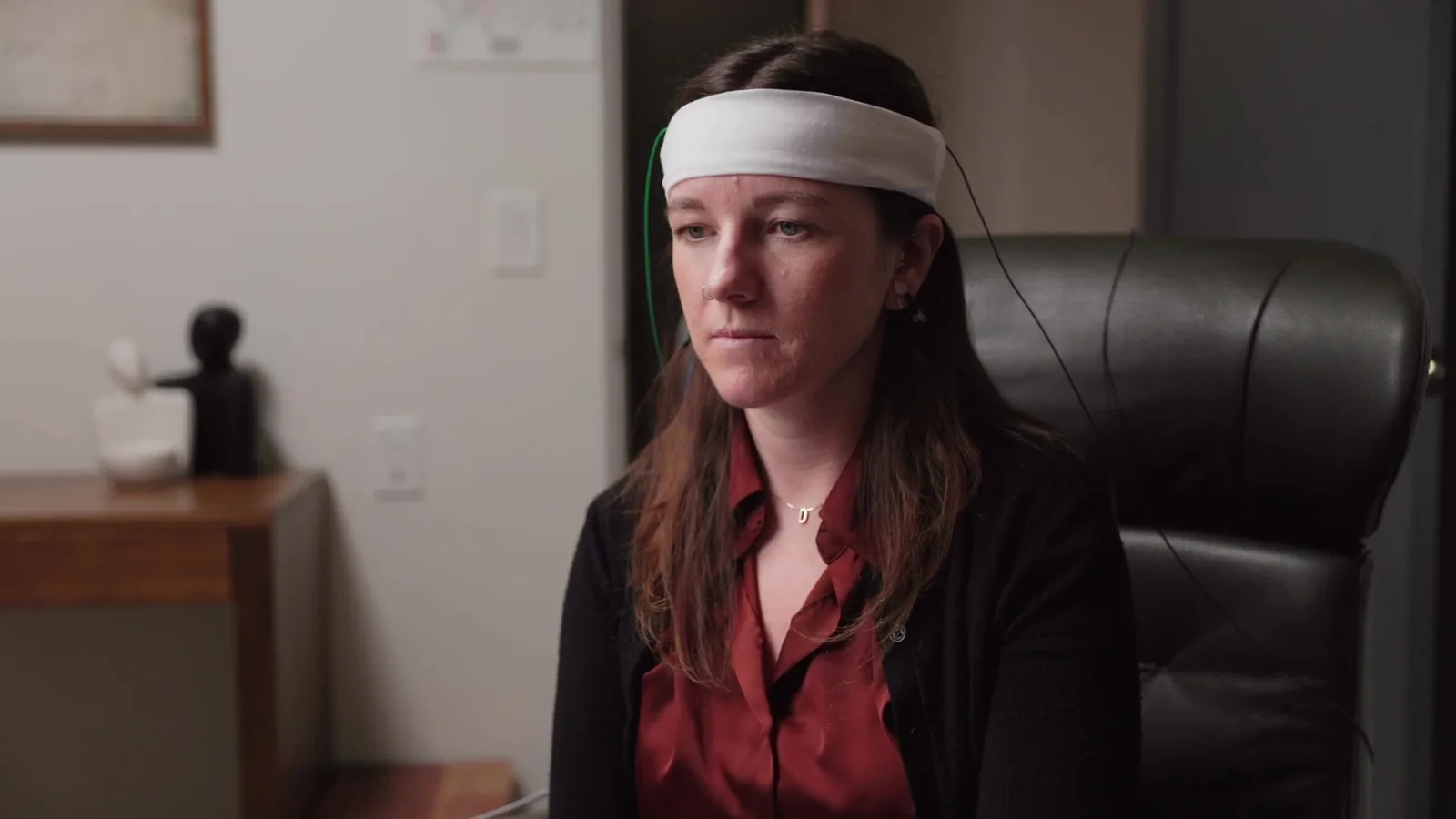
A session runs 30 to 45 minutes at Redefine. You sit in a chair, sensors are placed, and you watch a display or listen to audio. Most people feel nothing from the equipment itself, because there is nothing to feel. Some notice tiredness or a settled feeling afterward.
qEEG Brain Mapping Is a Separate Step
These two get blurred together constantly, and they are not the same thing. qEEG brain mapping is an assessment. It records electrical activity across multiple scalp sites and produces a picture of where patterns look dysregulated. Neurofeedback is the training that may follow.
At Redefine, qEEG brain mapping is available on request. It is not a standard or automatic component of the partial hospitalization program or the intensive outpatient program. If you want it, ask about it directly during intake rather than assuming it is included.
When to Talk to a Professional
Neurofeedback is one option inside a larger decision about what level of care you actually need. That decision is worth making with a clinician rather than alone.
Signs It's Worth a Conversation
Consider talking to someone if:
- Symptoms are interfering with work, relationships, or sleep on a regular basis
- You have been in weekly therapy for months and feel stalled
- Your reactions feel disproportionate to what is in front of you
- You are managing symptoms with alcohol or other substances
- You have already been told you might benefit from more structured support
If you are in crisis or thinking about harming yourself, call or text 988 to reach the Suicide and Crisis Lifeline, or call 911. Support is available 24 hours a day.
How Many Sessions It Takes
Plan on 20 to 40 sessions at 30 to 45 minutes each. At Redefine, neurofeedback runs 5 days per week inside the partial hospitalization program and 3 times per week inside the intensive outpatient program, which is what makes the timeline move.
Two practical questions worth researching before you commit anywhere: what to look for in a neurofeedback center, and whether insurance covers neurofeedback in Arizona. Redefine is an out-of-network provider, so coverage and reimbursement vary by plan. Verify your benefits before starting.
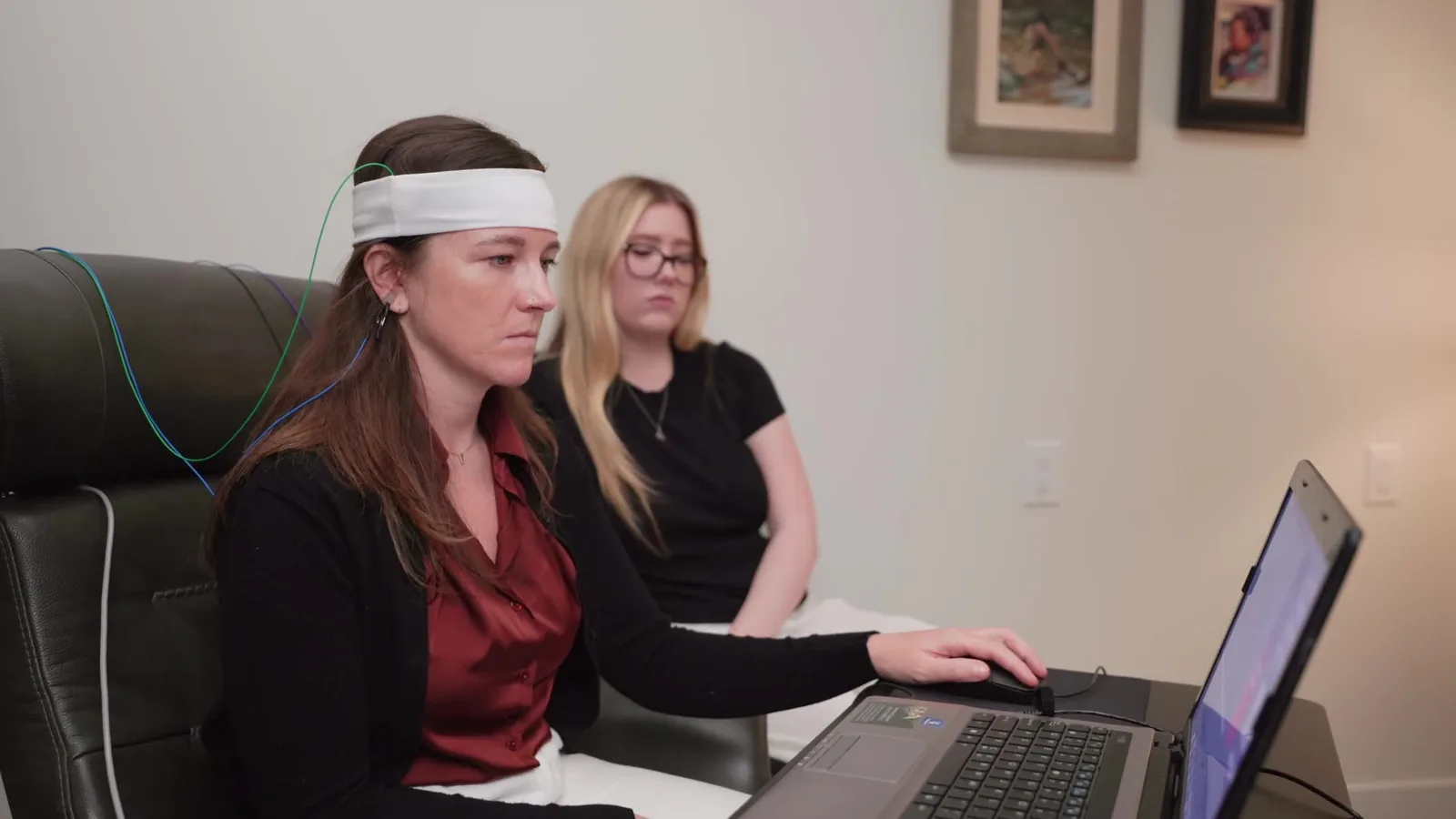
No. The sensors only read electrical activity your brain already produces, so there is nothing to feel from the equipment itself. Most people describe a session as sitting quietly and watching a screen. Some notice tiredness or a settled feeling afterward, which usually passes within a few hours.
No. qEEG brain mapping is an assessment that records activity across multiple scalp sites to show where patterns look dysregulated. Neurofeedback is the training that may follow. At Redefine, qEEG brain mapping is available on request and is not a standard part of the partial hospitalization or intensive outpatient programs.
The International Society for Neurofeedback and Research puts a typical course at 20 to 40 sessions or more, depending on the person and the severity of their symptoms. Sessions generally run 30 to 45 minutes. Frequency matters, which is why structured programs schedule several sessions per week rather than spreading them out.
Neurofeedback is used alongside other care, not as a replacement for it. Never stop or change a prescribed medication on your own, and never do so abruptly. Any change to a prescription belongs in a conversation with the clinician who prescribed it, who can plan and supervise it safely.
The American Academy of Family Physicians describes neurofeedback as promising and generally safe in select conditions, while noting that the studies behind it are generally small and that systematic reviews have reached conflicting conclusions. It is a reasonable option to discuss with a provider. Individual results vary, and no outcome can be guaranteed.
It is generally well tolerated. The American Academy of Family Physicians notes that reported effects include headaches, fatigue, and the potential for temporary worsening of the symptom being treated, and that research on adverse effects is limited. Tell your provider if anything like that appears, since protocols can be adjusted.
Adults working on attention, anxiety, trauma responses, sleep, or emotional regulation are the most common candidates, particularly those who have found talk therapy helpful but slow. Redefine Wellness and Treatment works with adults only. A clinician can tell you whether it fits your situation and what level of care makes sense.